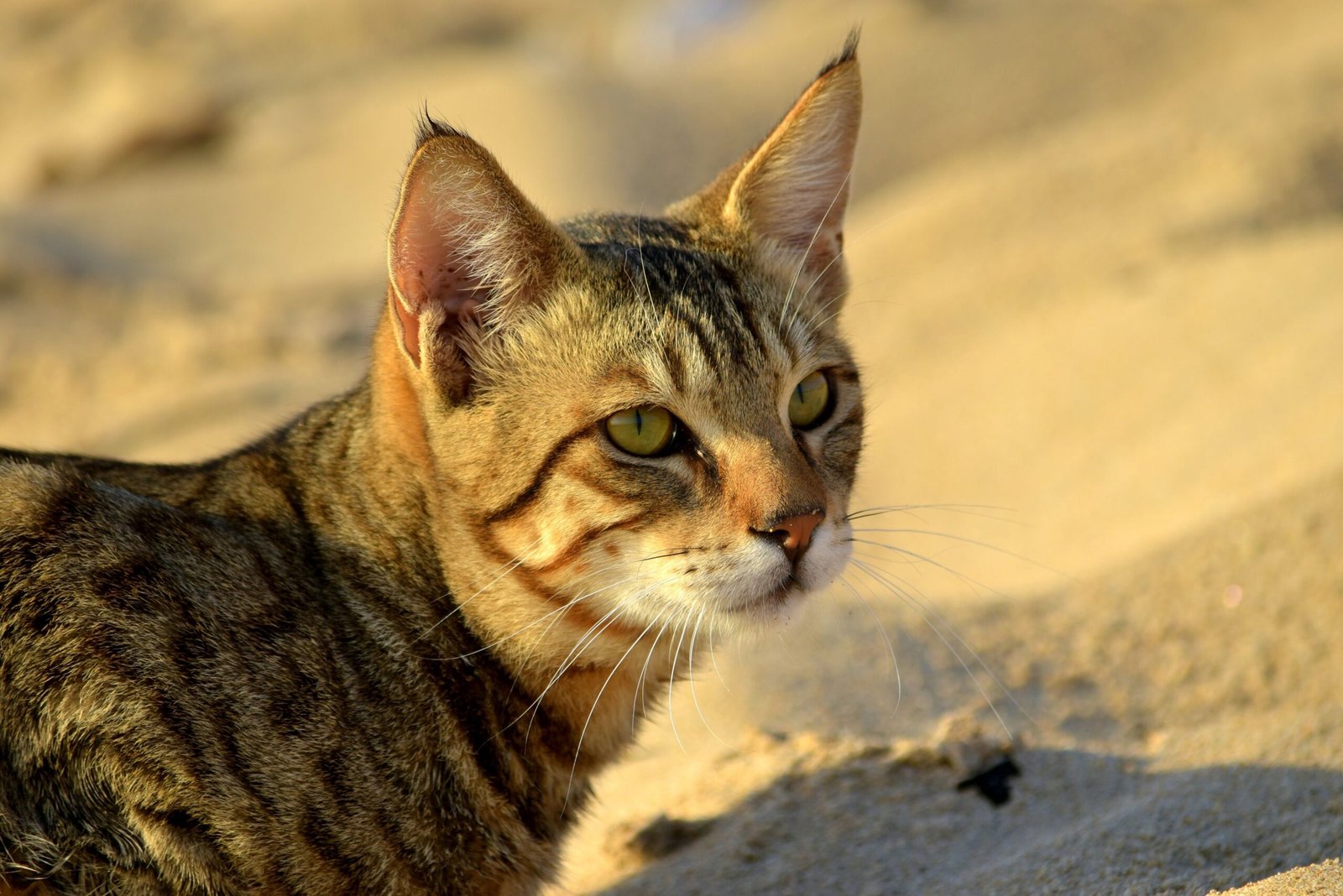
The keyword “golden spotted” can refer to different things depending on the context, including animals, insects, fish, plants, and other subjects with distinctive golden spots or markings. The phrase describes a noticeable appearance in which golden or yellowish spots stand out against a darker background. These patterns can make a subject visually attractive and help distinguish it from similar varieties.
Understanding what golden spotted means requires looking at the specific animal, object, or species being discussed. In this article, we explore the phrase, its possible uses, common characteristics, and the information readers should check before identifying a particular golden-spotted species. This approach helps avoid confusing different species simply because they share a similar colour pattern.
What Does Golden Spotted Mean?
Golden spotted is a descriptive phrase used for a subject that has gold-coloured, yellow, orange-gold, or metallic-looking spots on its body or surface. These markings may appear on skin, scales, feathers, wings, shells, or other natural structures. The pattern can be small and subtle or bright enough to make the subject immediately recognisable.
In wildlife identification, the phrase is especially useful because colour patterns can help distinguish one species from another. However, the words alone do not identify a single species. For accurate identification, it is important to consider the subject’s body shape, size, habitat, location, and scientific name.
Different Animals Known for Golden or Gold-Coloured Spots
Several animals have gold-coloured spots or markings, and some have common names that include the words goldspotted or gold-spotted. These examples demonstrate why the exact species matters when someone searches for golden spotted.
1. Gold-Spotted Mudskipper
The gold-spotted mudskipper, scientifically known as Periophthalmus chrysospilos, is a small fish associated with tropical coastal environments. It is recognised for golden or orange-coloured markings on its body and fins. Its unusual appearance makes it an interesting example of a naturally gold-spotted animal.
Mudskippers are particularly fascinating because they are adapted to life around muddy shorelines and tidal areas. Unlike many fish, they can move across exposed mud using their fins. The species is therefore a good example of how a distinctive colour pattern can appear alongside specialised environmental adaptations.
2. Goldspotted Rabbitfish
The Goldspotted Rabbitfish, also called the spotted rabbitfish, has the scientific name Siganus punctatus. It lives in tropical marine waters of the Western Pacific and is known for its blue body with numerous orange spots. These markings cover areas including the head, body, and tail fin.
This fish can grow to approximately 40 centimetres in length. Its bright colour pattern makes it relatively distinctive among reef fish, although correct identification should also consider its body shape and other physical features.
3. Goldspotted Rockcod
The Goldspotted Rockcod, scientifically called Epinephelus coioides, is another marine species with noticeable spots. It generally has a brown upper body, a lighter underside, and irregular bars along its sides. Numerous small orange-brown spots appear across its head, body, and fins.
This species can reach around one metre in length. Younger fish may have relatively larger-looking spots, while the markings become smaller in proportion to the body as the fish grows. It occurs in tropical and warm-temperate waters of the Indo-West Pacific.
4. Goldspotted Sweetlips
The Goldspotted Sweetlips (Plectorhinchus flavomaculatus) is a marine fish recognised by its grey-to-brown body and numerous yellow or orange spots. Its markings can be found across the body and fins, giving it a distinctive appearance. Juveniles have different colour patterns, with lines that develop into spots as the fish matures.
It can grow to approximately 60 centimetres and is found in tropical and some temperate marine waters of the Indo-West Pacific. This species is another example of why the phrase golden spotted can describe more than one kind of animal.
Golden Spotted Insects and Other Wildlife
Golden or gold-like markings are not limited to fish. Insects can also display metallic colours, bright spots, and patterned bodies. One interesting example is the golden tortoise beetle, scientifically known as Charidotella sexpunctata. It has a nearly circular, flattened body and a shiny gold or orange appearance when alive.
The golden tortoise beetle belongs to the leaf beetle family and feeds on plants in the morning glory family, including sweet potatoes. Some individuals may have visible spots on their wing covers, while their appearance can change when disturbed. This makes it an interesting subject for people studying insect colours and identification.
Another example is the golden-spotted tiger beetle, Cicindela aurulenta. It has an iridescent blue-green appearance with yellowish or pale spots on its wing covers. This shows that a golden-spotted pattern does not always mean the entire animal is golden; the spots may contrast with a completely different base colour.
Why Do Animals Have Golden Spots?
Animal colouration can serve several purposes, and the role of a particular pattern depends on the species and its environment. In some animals, spots and contrasting colours may help them blend into their surroundings. In others, bright markings may contribute to communication, recognition, or warning signals.
For example, a fish living around a colourful reef may have patterns that interact with the changing light and visual background underwater. An insect living among leaves may benefit from colours that make its outline less obvious. However, it would be inaccurate to assume that every golden spot has the same biological function.
Scientists study these patterns by examining an animal’s behaviour, habitat, physical structure, and interactions with other organisms. This is why identifying the exact species is more useful than relying on colour alone.
How to Identify a Golden-Spotted Animal Correctly
If you have seen an animal described as golden spotted and want to identify it, begin by recording its general appearance. Notice whether the spots are yellow, orange, metallic gold, or pale cream, and whether they appear on the head, back, wings, fins, or entire body. These small details can help narrow down the possible species.
Next, consider where the animal was found. A fish photographed in a tropical sea will have different likely matches from an insect found on a garden plant. Habitat, geographical location, approximate size, and movement can all provide useful clues.
A clear photograph is often one of the most helpful identification tools. Try to capture the whole animal, including its head, body, fins, wings, or legs where possible. Compare the photograph with reliable museum, wildlife, or scientific identification guides rather than relying only on a similar-looking social media image.
For a more accurate result, use the scientific name whenever it is available. Common names can vary between countries and publications, while scientific names provide a more precise way to identify a species.
Is Golden Spotted a Specific Species or a General Description?
One important point about the keyword golden spotted is that it is not, by itself, the scientific name of one particular animal. It is a descriptive phrase that appears in the common names of different species and can also be used informally to describe their appearance.
For instance, Goldspotted Rabbitfish and Goldspotted Rockcod are two different fish with different scientific classifications, sizes, and physical characteristics. The gold-spotted mudskipper is another distinct species, despite having a similar descriptive name.
This distinction matters when researching wildlife, purchasing aquarium fish, writing educational content, or identifying an animal from a photograph. Using the complete common name or scientific name helps prevent incorrect information from being attached to the wrong species.
Frequently Asked Questions About Golden Spotted
1. What does golden spotted mean?
Golden spotted describes an object, animal, or surface that has gold-coloured or yellow-orange spots. The phrase is commonly used to describe distinctive natural markings.
2. Is golden spotted the name of one animal?
No. It is a descriptive phrase used for different animals and species. The full common name or scientific name is needed to identify a particular animal accurately.
3. What is a gold-spotted mudskipper?
The gold-spotted mudskipper is a fish known scientifically as Periophthalmus chrysospilos. It has golden or orange markings and is associated with tropical coastal habitats.
4. Which fish have golden or orange spots?
Examples include the Goldspotted Rabbitfish, Goldspotted Rockcod, and Goldspotted Sweetlips. Each has its own scientific classification and physical characteristics.
5. How can I identify a golden-spotted animal?
Look at its body shape, spot pattern, size, habitat, and geographical location. A clear photograph and a reliable wildlife identification guide can make the process easier.
6. Are golden spots always natural?
Not necessarily. In wildlife, spots may be natural colour patterns, but similar appearances can also result from lighting, reflections, or photography. An accurate identification should consider more than colour alone.
Conclusion
Golden spotted is an interesting search term connected with animals and natural patterns that feature gold, yellow, or orange-coloured markings. From the gold-spotted mudskipper to the Goldspotted Rabbitfish and Goldspotted Rockcod, several species demonstrate how varied these patterns can be.
The most important thing to remember is that golden spotted does not refer to just one species. If you want reliable information, identify the animal’s full name, scientific classification, physical features, and natural habitat. By using these details together, readers can understand the subject more accurately and avoid confusion between similar-looking animals.